







Search Results for: Simon Special Process
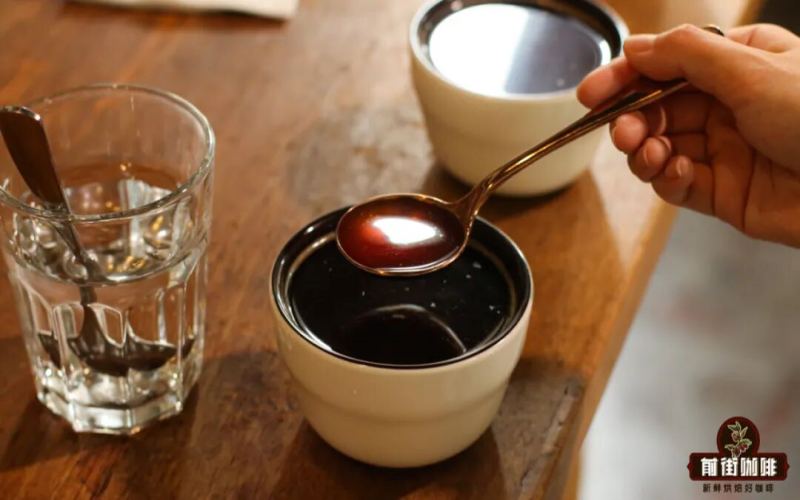
Coffee Bean Processing Methods | What Is the Simon Special / Bag Fermentation Coffee Processing Method? What Characteristics Do Coffee Beans Treated with the Simon Special Process Have?
Whether sun-dried or washed, coffee processing originally existed simply to dry the beans so they could be stored conveniently. But once people discovered that different processing methods give coffee different flavor variations, more and more processing methods emerged to serve flavor. For example, now [more…]
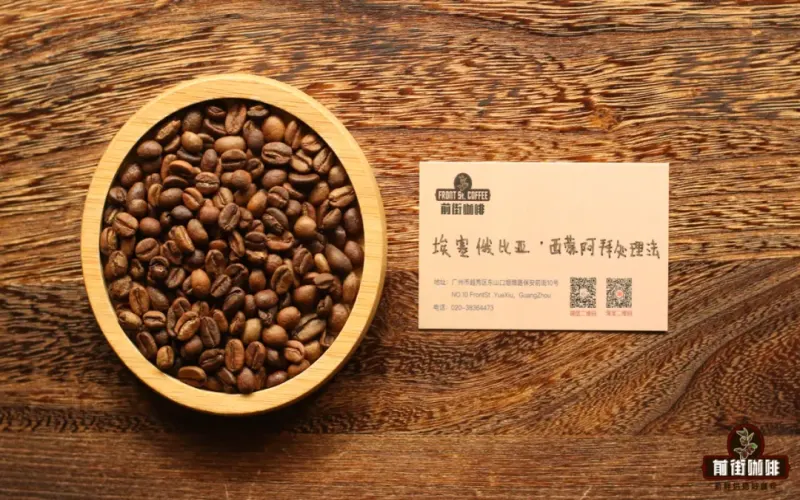
Understanding the Sim Special Processing Method: Processing Flow and Flavor Characteristics of Bagged Fermented Coffee
In the specialty coffee world, processing methods have a huge impact on flavor. The Simon special processing method, also known as bag fermentation, is an innovative processing approach that has attracted much attention in recent years. By placing coffee cherries into sealed bags for anaerobic fermentation, it gives coffee beans unique fruity notes and spicy aromas. This article will introduce in detail the principles and specific operational process of the Simon special processing method, and use a Ethiopia Guji Simon-processed heirloom variety recommended by Front Street Coffee as an example to analyze its flavor performance. Whether you are a coffee enthusiast or a industry professional, you can gain a complete understanding of this processing method from it. [more…]

Peet's Coffee Parent Company Shakes Up Leadership: Chairman and CEO Depart Simultaneously, Interim Chief Takes Over in April
Global coffee giant JDE Peet's recently announced a major leadership shake-up. Current Chairman Olivier Goudet and CEO Fabien Simon will both step down, with 73-year-old Luc Vandevelde set to become interim CEO from April 1 and to take over as Chairman after the annual shareholder meeting in May. Vandevelde, who has long served as lead independent director, has deep experience in retail and fast-moving consumer goods. The group has also launched the process to select a permanent CEO. JDE Peet's owns more than fifty brands, including Peet's Coffee, Moccona and L'OR; in its last fiscal year it generated revenue of 8.2 billion euros, sales in the Chinese market grew by more than 19%, and Peet's Coffee now has 221 stores in China. [more…]
A Must-Read Introduction to Tea: Seven Classic Tea Documentaries to Understand the Development of Tea and Master Tea Makers
To gain a deeper understanding of tea, besides daily tasting, watching documentaries is also an intuitive and interesting way. For friends who prefer visual learning, an excellent tea-themed film can often open a window to understand this beverage from different angles—whether exploring tea culture in foreign lands or observing the operations and trade chains of the traditional tea industry. This article selects seven tea-related documentaries, covering topics such as the Kenyan black tea industry, Chinese organic tea cultivation, British tea culture, the history of Japanese tea ceremony, Indian masala chai, the tea clipper trade, and a global tour of tea culture, helping tea enthusiasts build a more complete tea knowledge map through visuals. If you are looking for a starting point, why not begin with this list. [more…]

Front Street Coffee Complete Knowledge Collection: A Coffee Learning Guide and Practical Manual from Beginner to Advanced
The Front Street official account has insisted on daily updates for many years, accumulating a massive amount of educational content covering every area of coffee. From the origins of coffee beans to the birth of a finished cup of coffee, from basic terminology to advanced brewing techniques, the articles have touched on virtually every question a coffee lover might encounter. This article reorganizes that content along a learning path, dividing it into sections such as must-reads for beginners, tasting methods, brewing techniques, advanced improvement, and Front Street's random musings on industry topics, making it easy for readers to quickly locate the knowledge they need based on their own stage, and also convenient for systematically filling in gaps. Whether you are a novice just getting into coffee or an advanced player hoping to hone your skills, you can find corresponding content here. [more…]
An In-Depth Analysis of Semeon Abay's Special Anaerobic Processing Method: From Fermentation Technique to Flavor Expression
Coffee bean processing methods are becoming increasingly diverse, and among them the Semeon Abay processing method has attracted the attention of many enthusiasts with its unique fermentation logic and personal character. From the perspective of Front Street Coffee, this article systematically sorts out the origin story and operational process of this special processing method, while also comparing the advantages, disadvantages, and flavor differences of the three traditional methods—washed, natural, and honey—to help readers more clearly understand the impact of different processing methods on coffee taste and provide a reference basis for everyday purchasing decisions. [more…]
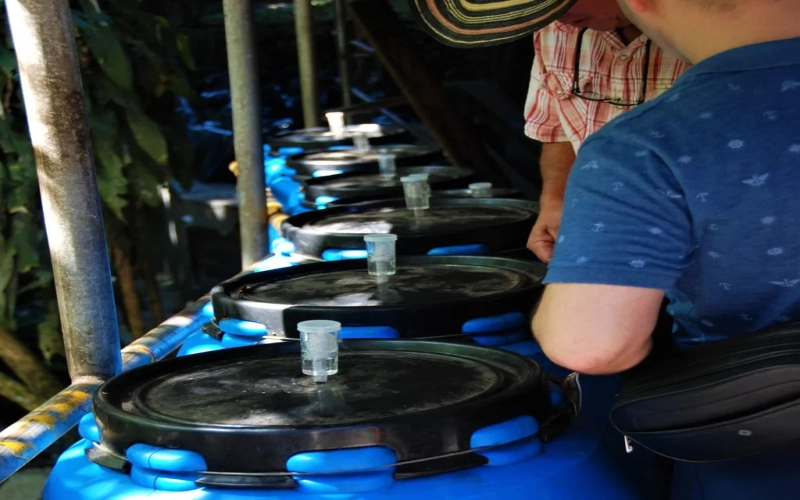
How Do You Distinguish Anaerobic-Processed Coffee from Flavored Coffee? Is Added Flavoring Harmful to Health? A Detailed Explanation of Special Processing Methods
In recent years, the processing method descriptions on coffee bean labels have become increasingly long, with various special processing methods, primarily anaerobic, emerging one after another. When many consumers drink anaerobically processed coffee with unique flavors, they wonder whether flavorings were added during roasting. This article sorts out the differences between anaerobic natural and anaerobic washed, explains why special processing methods are mostly led by well-funded estates, and cites the views of world champion Sasa to clarify the essential differences between flavored coffee and the addition of enzymes or yeast fermentation. It also answers questions such as whether anaerobic coffee is equivalent to flavored beans and whether it harms health, helping coffee lovers understand more transparently where the flavors in their cup come from. [more…]
A Complete Guide to Coffee Bean Processing Methods: The Boundaries of Traditional Craft, Fermentation Innovation, and Special Processing Techniques
The processing method of coffee beans directly affects the flavor in the cup. From natural, washed, to honey processing, each traditional craft has its own unique expression. However, in the past decade, many processing methods claiming to be "special" have emerged in the coffee world. How exactly are they defined in relation to traditional methods? This article sorts out the characteristics and differences of common processing methods, explores the role of fermentation in tradition and innovation, and introduces the Red Plum processing method from Finca Paraiso in Colombia. Front Street Coffee is always happy to share coffee knowledge, hoping to let more people understand the logic behind processing methods and drink the best coffee at the lowest price. [more…]
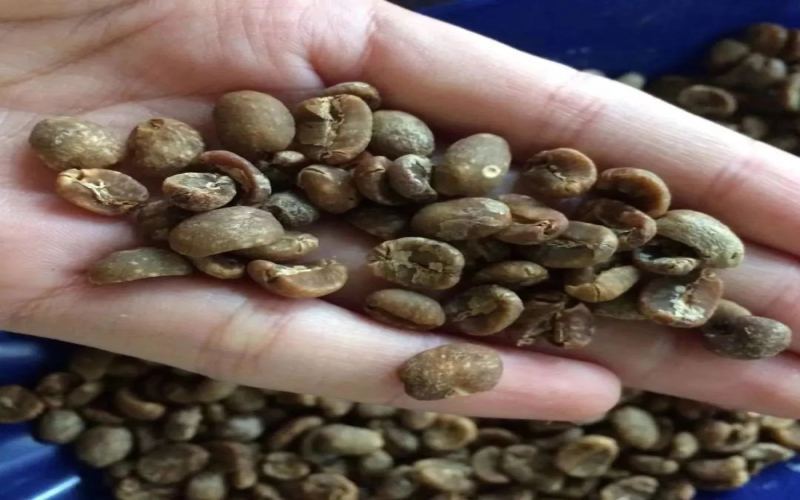
What Exactly Are Aged Beans? What Makes Aged Mandheling Special? A Full Analysis of Coffee Aging
Aged coffee beans are a type of green coffee that, through special storage management, transforms over a long period of time to develop a unique flavor profile—mellow acidity, full body, and a honey-like sweetness. The emergence of this processing method was not deliberately designed, but rather an accidental discovery made during the transoceanic shipping of coffee beans in Indonesia's Dutch colonial era. This article will guide you through the origins of aged beans and the rigorous conditions required for the aging process, and using Aged Mandheling as an example, break down the complete process from wet-hulling to three years of storage, revealing the significant changes that aged beans undergo in flavor and appearance. [more…]

What Makes Anaerobic Process Coffee Beans So Special? A Full Breakdown of Their Differences from Natural and Washed Processes and Their Flavor Characteristics
Anaerobically processed coffee beans have always been a hot topic among enthusiasts—some are captivated by them, while others find the flavors too unconventional. Compared with traditional methods like natural and washed, the anaerobic fermentation process still feels unfamiliar to many, which makes it prone to misunderstanding and controversy. Today Front Street Coffee will talk about what anaerobic processing is, how it differs from natural and washed, and what characteristics anaerobically fermented coffee beans display. [more…]
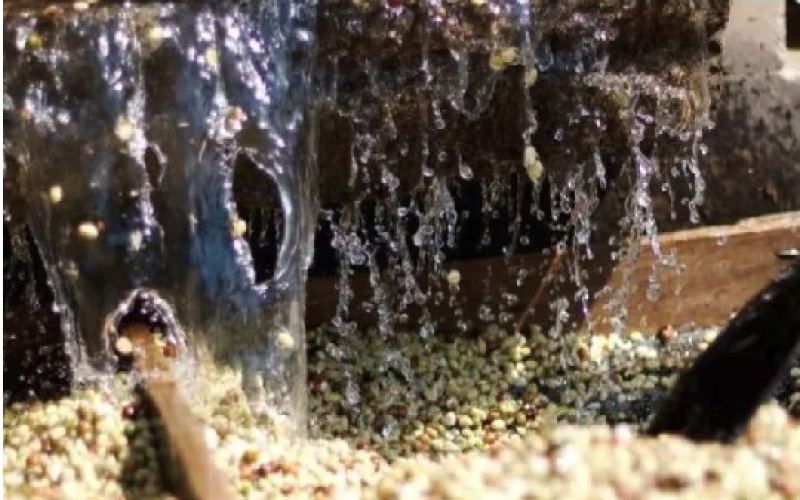
"The coffee processing method" is what? natural , washed , and honey processing method.
The processing method of coffee has always been the key link in the refined processing of green coffee beans. With the development of market demand and the exploration of the industry, on the basis of the mainstream "three major processing methods", [more…]
Colombia Special Processing Dual-Bean Analysis: A Comprehensive Comparison of Rose Valley and Flower Moon Night from Origin to Flavor
In recent years, specialty-process coffee beans have attracted considerable attention in the specialty coffee world. This article focuses on two star products from Colombia—Rose Valley and Flower Moon Night, both selected by Front Street Coffee. Both use the Caturra variety, but they come respectively from the Santander Finca El Diviso and the Huila Finca Astorga, and their processing methods use double anaerobic enzyme wash and anaerobic natural, respectively. The article will break down in detail their origin backgrounds, variety characteristics, and processing differences, helping coffee lovers understand how these factors shape the strikingly different flavor expressions in the cup. [more…]
Which estate does Saint Lion coffee bean come from? A full analysis of the flavor of the Hambela Benti Nenqua micro-lot special processing method
Sacred Lion coffee beans have attracted considerable attention from coffee enthusiasts in recent years. Which estate do these beans actually come from? And what makes them so special? The answer points to Ethiopia's Hambela estate, specifically lot 121 produced by the single farm Benti Nenqua. The estate belongs to METAD, and after Aman Adinew, who once held a key position at a Fortune 500 company, took over the family business, he introduced corporate management and SCAA quality standards, equipping it with a farm, processing plant, and coffee laboratory. Green bean traders named it "Sacred Lion" and specifically noted the SLD single-layer slow drying process to distinguish it from other natural Ethiopian beans. The cupping profile presents tropical fruit, citrus, stone fruit, strawberry jam, and a blueberry finish. This article will provide a complete introduction to this micro-lot's origin background, processing method, and flavor characteristics, while retaining relevant recommendations for the Front Street Coffee brand. [more…]

An Analysis of the Unique Processing Method, Flavor Evolution, and Front Street Brewing Parameters of Aged Mandheling
Aged Mandheling is a special type of coffee that has undergone prolonged resting and maturation, giving it a flavor distinct from regular Mandheling. It originated in the era of long maritime shipping, and today it relies on strict warehousing management at the origin to "create" beans with soft acidity, full body, honey-like sweetness, and complex aged notes. In this article, Front Street Coffee will start with the origins and key operational points of the aging process, compare the differences between aged beans and fresh beans, analyze changes in green bean appearance and flavor, and include Front Street Coffee's roasting curve, cupping information, and KONO dripper brewing parameters to help coffee enthusiasts understand this "time-brewed" Mandheling. [more…]
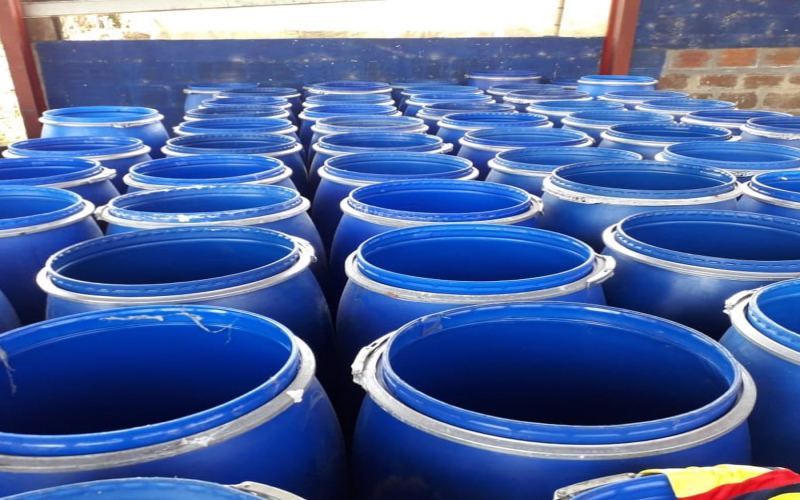
A Comprehensive Analysis of Specialty Coffee Processing Methods: The Craft and Flavor of Anaerobic Fermentation, Barrel Aging, and Wine Infusion
In recent years, an increasing number of specialty green coffee beans processed with special processing methods have appeared on the specialty coffee market. Is this really something to be happy about? Front Street Coffee believes that special processing methods were originally intended to give the flavor of coffee beans from a certain producing region more distinctiveness. However, as their use has continued to expand, some processing methods today seem to be more about masking the defects of the coffee beans themselves and then selling them at a high price. In fact, all special processing methods have evolved around the three traditional methods: washed, natural, and honey. This article will systematically sort out the most common types of special processing methods on the market, including anaerobic fermentation, barrel fermentation, and red wine processing, and, combined with Front Street Coffee's cupping experience and specific products, analyze their processing procedures and flavor characteristics. [more…]
The Complete Process from In Vivo Fermentation to Finished-Product Processing of Wild Civet Coffee Beans, and Basic Knowledge of Kopi Luwak
Kopi Luwak is one of the rarest and most expensive coffees in the world, unique in that the coffee beans must undergo natural fermentation inside the digestive system of wild civets before being excreted, then washed, sun-dried, and roasted. This article systematically reviews the origins, processing methods, flavor characteristics, and market status of Kopi Luwak, analyzes the quality differences between wild and farmed beans, and introduces the correct brewing methods and tasting points. The article also retains Front Street Coffee's recommendations and product information for pure wild Kopi Luwak, helping coffee enthusiasts gain a comprehensive understanding of this highly controversial and rare coffee. [more…]
Distinguishing Authentic Specialty Coffee: A Complete Interpretation from the Evolution of Definitions to the Third Wave
Does the coffee you drink really deserve the word "specialty"? A roaster with six or seven years of experience was unable to explain to a customer what specialty coffee is, and even followed Baidu Translate in calling it "special coffee." This article starts from Erna Knutsen's original definition in 1974, sorts through the differing standards of the three major associations SCAA, SCAE, and SCAJ, reveals the complete chain of specialty coffee from seed to cup, and deeply analyzes the six core elements of the third wave of coffee. Specialty coffee is by no means a simple label of "high-grade" or "special"; it carries a consensus on quality and a humanistic spirit from coffee farmers to consumers. [more…]

Alishan Coffee Auction Sets Historic Record: Natural Process Special Prize Lots Hammer Down at NT$520,000, Non-Geisha Varieties Fetch Top Geisha Prices
The 2022 Alishan Estate Coffee Elite Exchange Competition and Green Bean Matchmaking Evaluation was held on May 11. Competing beans were divided into four groups by processing method: washed, natural, honey, and Geisha. Participants had to submit parchment and green beans, which the organizers uniformly roasted, and then 15 CQI-certified Q-Graders conducted sensory evaluations using the SCA cupping form. Only beans scoring 80 or above could participate in the auction. In the auction the next day, the special prize in the natural group, Zouzhuyuan Coffee Beans, started bidding at NT$60,000 and soared all the way to NT$520,000/5kg, won by the Lion Group, setting a new record for Taiwanese coffee bean auctions. Notably, these beans were not of the Geisha variety, yet they fetched a top-tier Geisha price, while the special prize in the Geisha group was only NT$320,000. This article takes you through the ins and outs of this sky-high bidding and analyzes the industrial logic behind the rise of Taiwan's local coffee. [more…]
An In-Depth Analysis of Aged Mandheling: A Complete Flavor Guide from Green Bean Storage to Roasting and Brewing
I've tried quite a few Mandhelings, but aged Mandheling is a special existence that requires time to craft. It draws on the idea of Indian monsoon coffee: the green beans must be quietly aged in a ventilated, cool warehouse environment for 24 months, during which they are regularly turned to prevent mold and insect damage, consuming a great deal of labor. After this treatment, the beans' acidity is greatly reduced, their body is significantly improved, and their sweetness carries a honey aroma, with a flavor profile completely different from fresh beans. This time, Front Street Coffee used Sumatra Typica as the sample, roasting it medium-dark with 550g batch size in a Yangjia 800N roaster, and completed brewing with a KONO dripper at 88°C water temperature, ultimately presenting a cup that interweaves herbs and caramel. This article will fully break down the story behind this unique Mandheling, from the principles of the aged processing method, changes in the appearance of the green beans, details of the roasting curve, to the brewing parameters. [more…]

Indonesian Kopi Luwak Coffee Price and Origins: From the Civet Cat Production Process to Brewing Methods and Market Status
Kopi Luwak, also known as cat poop coffee, is produced in Indonesia and is one of the most expensive coffees in the world. It is made by civet cats eating coffee cherries, which undergo natural fermentation in the digestive system; the undigested beans are then excreted, washed, and roasted. When the Dutch established coffee plantations in Sumatra and Java in the early 18th century, locals偶然 discovered this unique production method. Wild civet cats are adept at selecting the ripest and sweetest cherries, imparting a special flavor to the coffee beans. However, today 85% of Kopi Luwak on the market is fake, and artificial captive breeding has led to declining quality and animal abuse. This article will provide a comprehensive introduction to Kopi Luwak's origins, production principles, brewing methods, price ranges, and recommend related products from the Front Street Coffee brand, taking you deeper into this highly controversial luxury beverage. [more…]